Choosing between skid steer tires and rubber tracks affects everything from traction and speed to operating costs and job-site efficiency. Whether you run a skid steer or a compact track loader (CTL), selecting the right option helps you reduce downtime, extend component life, and work more effectively in changing site conditions.
This guide breaks down the key differences between tracks and tires to help you make an informed decision for your equipment and terrain.
Understanding the Role of Tires and Tracks in Skid Steers
Skid steers and compact track loaders are highly versatile machines used across construction, landscaping, demolition, municipal work, and year-round maintenance.
Skid steers can be equipped with pneumatic or solid tires, while compact track loaders (CTLs) operate exclusively on rubber tracks. CTLs are not designed for tire use. While both machines support similar attachments and applications, their ground-contact systems determine how they perform on different surfaces.
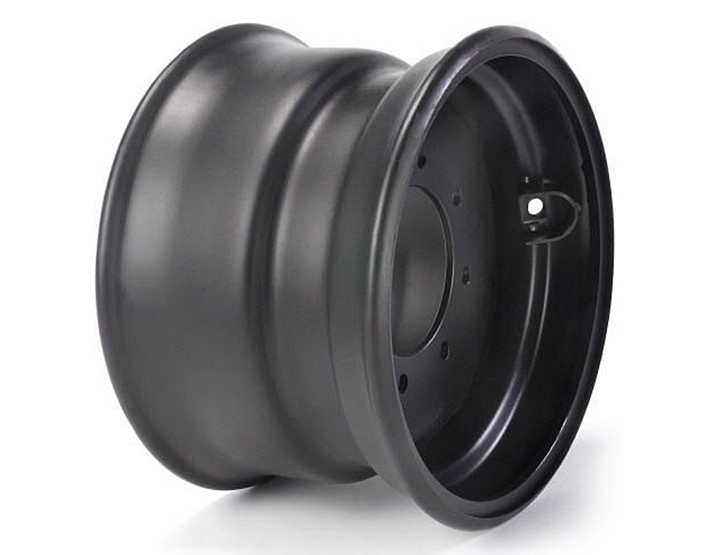
- Skid steer tires (pneumatic or solid skid steer tires) offer durability, speed, and responsiveness on hard, even ground.
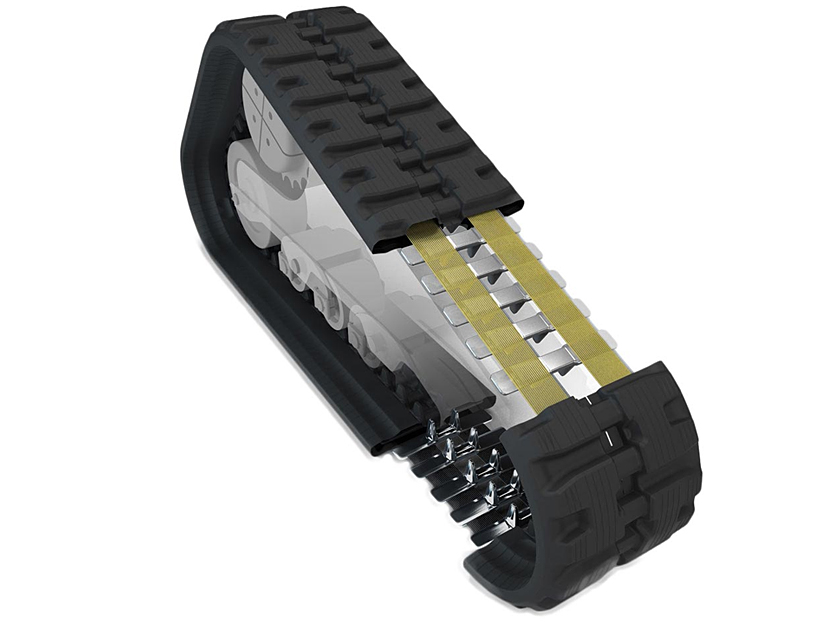
- Compact track loader tracks deliver superior traction, flotation, and operator comfort on soft, uneven, or wet terrain.
Your choice directly affects productivity, fuel efficiency, and job-site safety. In most cases, the right system aligns with your terrain and working conditions, not just machine type.
Learn more about equipment solutions at Tag Equipment and get help selecting the best option for your fleet.
Comparing Performance: Tracks vs Tires by Terrain
Terrain is one of the biggest factors when deciding between tires and tracks. While tires excel on firm surfaces, tracks provide better control in loose or unstable conditions.
Side-by-Side Comparison: Tracks vs Tires by Surface Type
| Terrain / Ground Condition | Best Option | Why It Performs Best |
|---|---|---|
| Pavement / Concrete | Tires | Faster, smoother travel; prevents unnecessary track wear |
| Gravel & Aggregate | Tires | Less friction; good durability with solid tires |
| Mud / Wet Soil | Tracks | Wider footprint prevents sinking; better traction |
| Sand | Tracks | Increased flotation reduces slippage |
| Snow / Ice | Tracks | Improved grip and stability; lower ground pressure |
| Rough / Uneven Ground | Tracks | Stability and continuous contact with the ground |
| Finished Landscapes | Tracks | Lower ground disturbance and minimal rutting |
Real-World Applications
- Landscaping and grading: Tracks offer smooth control and minimal ground disturbance.
- Demolition and hard-surface work: Tires, especially solid skid steer tires, resist punctures and reduce wear.
- Snow removal: Tracks provide superior traction in icy or snow-packed areas (pair with winter skid steer attachments for best performance).
Learn more about our skid steer tire options to decide which is best for your machine.
Cost Considerations for Tracks vs Tires
Upfront cost is often a deciding factor, but long-term value matters more in daily use.
Initial Cost
- Tires are typically less expensive, especially pneumatic versions.
- Rubber tracks cost more, largely due to materials, reinforcement, and undercarriage components.
Long-Term Ownership Cost
- Tires may wear faster on rough ground, but they are inexpensive to replace.
- Rubber tracks offer longer life on soft or uneven surfaces but increase maintenance needs.
When it’s Worth Spending More
Tracks are likely the better investment if you routinely work in:
- Muddy or wet areas
- Soft or sandy soil
- Snow-prone regions
- Sites requiring maximum stability
Explore options for track-equipped machines through our rubber tracks page.
Maintenance Differences: Tracks vs Tires
Maintenance planning helps extend component life and reduce downtime.
Tire Maintenance
- Generally low maintenance
- Simple inspections for cuts, chunking, or air pressure (pneumatic only)
- Solid tires eliminate puncture concerns
Track Maintenance
- Requires regular undercarriage cleaning
- Track tension checks
- Roller, idler, and sprocket monitoring
Average Lifespan Estimates (Varies by Use):
- Pneumatic tires: 300–800 hours
- Solid tires: 800–1,500+ hours
- Rubber tracks: 1,000–1,600+ hours
We also carry a variety of construction equipment track parts, such as replacement rollers, idlers, sprockets, and related wear parts.
Productivity, Comfort & Speed: Which Option Wins?
Both systems offer performance benefits depending on the job.
Where Tires Excel
- Faster travel speed
- Lightweight for quick manoeuvring
- Ideal for paved or indoor surfaces
- Lower rolling resistance can improve efficiency in some cycles
Where Tracks Excel
- Superior ride comfort on rough terrain
- Reduced vibration for operators
- Consistent traction in mud, snow, and soft ground
- Better control for grading, levelling, and precision work
Weather also plays a role: in wet or winter conditions, tracked equipment typically maintains better control and stability.
To enhance productivity year-round, explore skid steer attachments for snow, landscaping, and general contracting.
When to Choose Tracks Over Tires and Vice Versa
Here is a simplified guide for quick decision-making.
Choose Tracks If:
- You work on muddy, soft, or uneven terrain
- You’re doing precision grading or landscaping
- Ground disturbance must be minimized
- You need maximum flotation in snow or sand
Choose Tires If:
- You work mainly on pavement, concrete, or gravel
- Speed and manoeuvrability matter most
- You operate indoors or on finished surfaces
- You want lower upfront costs or reduced maintenance
For both options, Tag Equipment supplies durable, OEM-spec components to keep your fleet operating efficiently.
Explore Our Wide Range of Skid Steer Tires & Tracks
Tag Equipment carries a large inventory of skid steer tires, solid flat-proof tires, and rubber tracks for compact track loaders, compatible with major OEM brands such as Bobcat, Cat, John Deere, Kubota, Takeuchi, and more.
We provide:
- High-quality products selected for durability
- Fast shipping across Canada
- Local pickup options for customers in the Greater Toronto Area
- Expert guidance to ensure proper fitment for your machine
Get fast, reliable equipment parts. Contact us today to request a quote and discuss your options.
Choose the Right Equipment for Your Conditions
The choice between skid steer tracks vs tires comes down to terrain, performance expectations, and the type of work your machine performs every day. Matching the right system to your job site helps improve traction, reduce wear, and maximize productivity.
If you need help selecting the best tires or tracks for your skid steer or CTL, the team at Tag Equipment is here to help. Reach out to us for personalized guidance and a competitive quote.