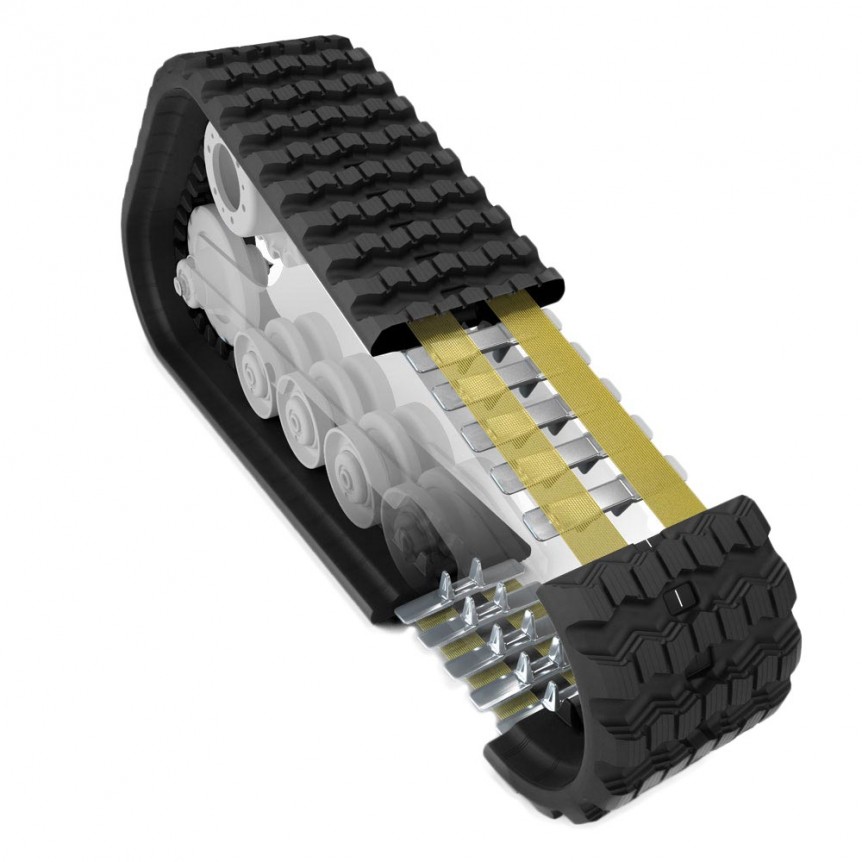
If you run a Bobcat compact track loader (CTL) or skid steer, your rubber tracks are the foundation of your machine’s performance. They provide stability, traction, and support for lifting, pushing, and digging. But like any high-wear part, tracks eventually break down. Ignoring the signs of wear doesn’t just hurt efficiency — it can increase repair costs, cause machine downtime, and even create safety hazards on the job site.
By monitoring your tracks and replacing them at the right time, you can extend the life of your undercarriage, protect your investment, and keep your projects on schedule. In this blog, we’ll cover four clear warning signs, discuss how long skid steer tracks last, share tips on choosing replacement rubber tracks, and explain how proper maintenance can save you money long term.
4 Warning Signs It’s Time to Replace Your Bobcat Rubber Tracks
Every operator should include track inspection as part of their regular maintenance routine. Here are four key signs that your Bobcat rubber tracks are due for replacement.
Cracks in the Rubber Track
Cracks form naturally as rubber ages, but heavy use on rocky ground, exposure to extreme temperatures, and constant scraping against walls can accelerate the process. While small, surface-level cracks may seem harmless, deeper cracks weaken the structural integrity of the track. Over time, they can lead to chunks breaking away or complete failure while in operation.
Ignoring cracks puts stress on the undercarriage and risks track separation during a job. This kind of sudden failure often costs far more than a planned replacement.
Reduced Track Tension or Stretching
Rubber and steel components stretch over time. When your tracks lose tension, they begin to sag, which you can see by checking the space between the top lug and bottom roller. Loose tracks not only derail more easily, but they also accelerate wear on sprockets and rollers.
Operating with low tension makes your machine less responsive and harder to control. If tensioning no longer restores a proper fit, it’s a clear sign that your tracks are worn out and need to be replaced.
Sprockets Skipping or Derailed Track
Sprockets are designed to mesh smoothly with track lugs, much like gears interlocking. When sprockets or tracks are worn, you may feel “slipping” as the teeth skip over lugs instead of engaging. Left unaddressed, this can cause the track to derail completely.
A derailed track on a job site isn’t just inconvenient — it can damage the undercarriage, waste valuable time, and create unsafe conditions for operators.
Lugs Tearing or Breaking Off
Lugs are critical for grip and stability. They can tear off when sprockets are misaligned, worn down, or slipping against the rubber. Rocks and debris lodged in the undercarriage also contribute to lug damage.
Once lugs begin breaking off, the track loses traction and stability, making the machine harder to control. Replacing the track early prevents this from turning into costly undercarriage repairs.
If you spot any of these issues, get a quote for replacement tracks and prevent more costly damage. You can also browse our full selection of rubber tracks to find the right fit for your machine.
How Long Do Skid Steer Tracks Last?
One of the most common questions operators ask is how long do tracks last on a skid steer? The truth is that lifespan varies widely depending on usage and maintenance.
On average, skid steer and compact track loader tracks last 400 to 2,000 hours. Machines used primarily in soft ground conditions, such as dirt or mud, will get closer to the higher end of that range. On the other hand, Bobcat tracks running on mixed surfaces like pavement, gravel, and concrete usually need replacement closer to 800–1,200 hours.
Several factors influence track life:
- Terrain: Hard, abrasive surfaces wear tracks faster than soft soil.
- Operator technique: Aggressive turning, spinning, or constant operation at maximum load shortens lifespan.
- Maintenance habits: Regular tension checks, cleaning debris, and proper storage significantly extend track life.
Wondering about your specific machine? Talk to a technician at Tag Equipment for accurate life expectancy by Bobcat model and jobsite conditions.
Choosing the Right Replacement Rubber Tracks
When it’s time for new tracks, choosing the correct specifications is critical. Installing the wrong type of track can lead to poor performance, premature failure, and wasted money. Consider the following factors:
- Width: Wider tracks improve flotation in soft soil and reduce ground pressure, which is ideal for landscaping or working on turf. Narrower tracks are lighter and more maneuverable, often preferred in tight spaces.
- Pitch: Short-pitch tracks engage with every sprocket tooth, offering smoother operation and less vibration. Long-pitch tracks interlock every other tooth, which can reduce cost but result in a rougher ride.
- Tread Pattern: Choose a closely spaced tread for turf or surfaces where minimal ground disturbance is important. Select deep, aggressive tread patterns for mud, snow, or slippery terrain where traction is critical.
It’s important to match your track to your job site conditions. For example, turf tread used on rocky ground will wear out quickly, while aggressive lug tread may cause damage to finished surfaces.
Need help picking the right tread? Contact Tag Equipment for expert guidance.
Tag Equipment Supplies Bobcat Tracks for All Models
We stock high-quality replacement rubber tracks compatible with nearly every Bobcat compact loader and mini excavator model. Whether you’re running older equipment or the latest series, we provide OEM-fit solutions that maximize uptime and minimize costly repairs.
We carry replacement tracks for the following makes and models:
| Bobcat 864 | Bobcat T132 | Bobcat T250 H | Bobcat T630 |
|---|---|---|---|
| Bobcat 864 F | Bobcat T140 | Bobcat T300 | Bobcat T650 |
| Bobcat 864 G | Bobcat T180 | Bobcat T300 H | Bobcat T750 |
| Bobcat MT50 | Bobcat T180 H | Bobcat T320 | Bobcat T770 |
| Bobcat MT52 | Bobcat T190 | Bobcat T450 | Bobcat T830 |
| Bobcat MT55 | Bobcat T190 H | Bobcat T550 | Bobcat T870 |
| Bobcat T110 | Bobcat T250 | Bobcat T590 |
Explore our full range of construction equipment track parts for fast replacement options.
Tips to Extend the Life of Your Bobcat Rubber Tracks
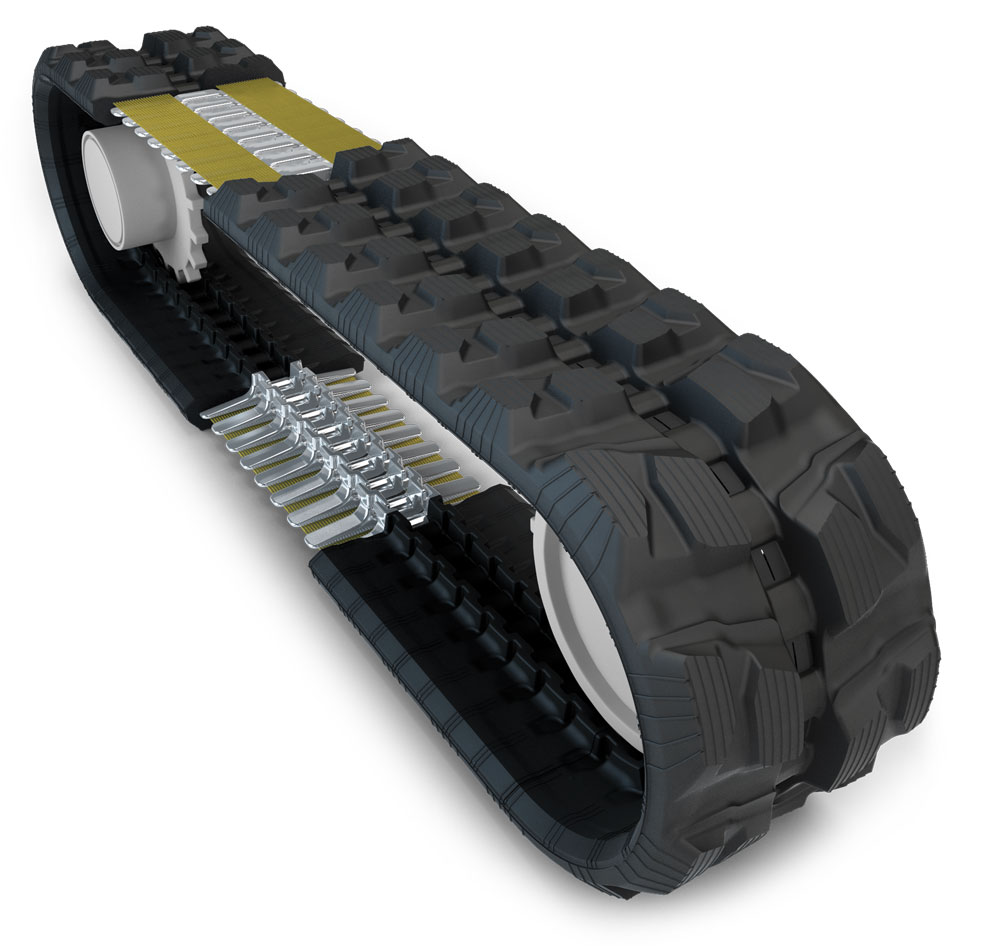
Even the best tracks wear out over time, but proper care can significantly increase service life. Here are technician-approved tips:
- Maintain correct tension: Check weekly and adjust according to manufacturer specifications.
- Avoid sharp turns on pavement: Skid steering on asphalt or concrete accelerates wear. Use wide, sweeping turns instead.
- Clean the undercarriage often: Remove dirt, rocks, and debris after every shift to prevent premature abrasion.
- Protect from UV exposure: If possible, store equipment under cover or indoors to reduce cracking from sunlight.
- Inspect undercarriage components: Worn sprockets, rollers, or idlers can destroy new tracks prematurely.
Proper care not only extends track life but also reduces overall operating costs. Wondering how long rubber tracks last with the right maintenance? Ask Tag Equipment for model-specific tips.
Know When to Replace and Upgrade with Confidence
Spotting wear early and scheduling timely replacements ensures your Bobcat performs reliably when you need it most. Knowing when to replace rubber tracks on a compact loader and how to choose the right style for your application makes all the difference in productivity and equipment longevity.
At Tag Equipment, we understand the importance of keeping your machines moving. Our team specializes in Bobcat compatibility, nationwide delivery, and expert guidance to help you find the perfect replacement.
Need a replacement fast? Get pricing or speak with our track specialists today.