
Choosing between skid steer tires vs tracks is one of the most important decisions contractors make when setting up compact equipment. The right choice directly affects traction, stability, downtime, and overall job site performance.
Across Ontario and Canada, job site conditions vary widely. Mud during spring thaw, frozen ground in winter, gravel lots, asphalt surfaces, and demolition debris all demand different ground contact solutions. What works on one site can reduce efficiency or increase wear on another.
Most skid steer setups rely on either solid tires or pneumatic tires, while compact track loaders use rubber tracks. Each option delivers different advantages depending on terrain, load demands, and daily use. Attachments such as buckets, pallet forks, and snow pushers also rely heavily on proper ground contact to perform effectively.
This guide breaks down skid steer tires and tracks in practical terms, helping you choose the right setup based on real working conditions, not theory.
Explore:
Skid Steer Tires vs Tracks – What’s the Difference?
The difference between skid steer tires vs tracks comes down to how each system interacts with the ground.
Traction and Surface Performance
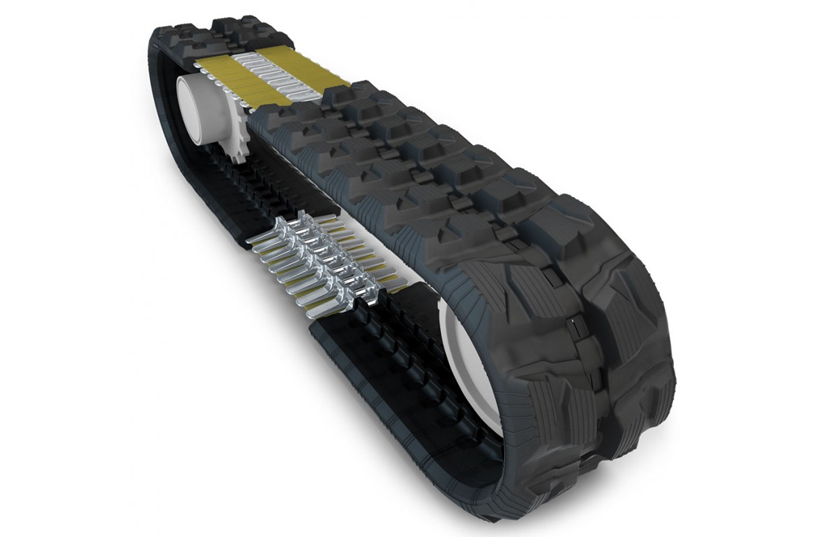
Rubber tracks provide better traction on soft, wet, or uneven surfaces. They maintain consistent contact with the ground, making them ideal for mud, sand, snow, and landscaping applications.
Tires perform best on hard, stable surfaces such as pavement, concrete, and compacted gravel. Solid skid steer tires also resist punctures in demolition and debris-heavy environments.
Ground Pressure
Tracks distribute machine weight over a larger surface area, reducing ground pressure and minimizing rutting. This is critical for soft soil, finished landscapes, and spring conditions in Ontario.
Tires concentrate weight into a smaller footprint, increasing ground pressure and traction on firm surfaces.
Stability and Ride Quality
Rubber tracks provide a smoother ride with less vibration, improving operator comfort and control. This is especially important for grading and precision work.
Tires offer faster response and manoeuvrability, which is beneficial for tight spaces and hard surfaces.
Maintenance and Lifecycle
Tires generally require less maintenance and are quicker to replace. Solid tires eliminate punctures entirely.
Rubber tracks require undercarriage maintenance, including tension checks and cleaning, but often last longer in soft ground conditions.
Seasonal Suitability
Tracks perform better in snow, mud, and wet conditions common across Canada.
Tires are more efficient in dry, hard conditions and indoor or paved environments.
Learn more about rubber tracks or solid skid steer tires.
When to Choose Skid Steer Tires
Choosing the right tires depends on your terrain, workload, and machine requirements.
Air-Filled vs Solid Tires
Pneumatic tires are suited for mixed terrain and provide a more flexible ride. They are typically more affordable but are vulnerable to punctures.
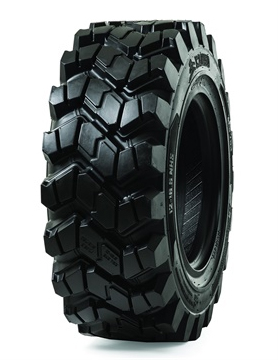
Solid skid steer tires are built for durability. They are puncture-resistant and ideal for demolition sites, scrap yards, and environments with sharp debris. They are a key choice for reducing downtime.
Jobsite Surface Considerations
Tires perform best on:
- Asphalt and concrete
- Compacted gravel
- Indoor or finished surfaces
Solid tires are preferred when puncture risk is high, while pneumatic tires work better in less aggressive environments.
Load Capacity and Stability
Tires can handle heavy loads on stable ground, but excessive load or uneven terrain can increase wear and reduce stability. Proper tire selection improves machine balance and performance.
Reducing Downtime Through Proper Fitment
Incorrect sizing or mismatched specifications lead to premature wear and performance issues. Matching tire size, width, and tread to your machine ensures consistent operation and reduces downtime.
Explore solid skid steer tires.
When to Choose Rubber Tracks
Rubber tracks are designed for conditions where traction, flotation, and stability are critical.
Benefits of Rubber Tracks
Rubber tracks provide:
- Increased traction on soft or uneven terrain
- Reduced ground disturbance
- Improved operator comfort
- Better control for grading and finishing work
Ground Pressure and Soft Soil
Tracks distribute weight across a larger footprint, reducing sinking and rutting. This makes them ideal for landscaping, site prep, and wet job sites during Ontario spring conditions.
Stability for Lifting
Tracks provide a more stable platform when lifting heavy loads, especially on uneven terrain. This improves safety and control.
When Tracks Outperform Tires
Tracks are the better choice when working in:
- Mud or wet soil
- Sand or loose ground
- Snow and winter conditions
- Finished landscapes where minimal disturbance is required
Rubber Tracks and Attachment Stability
Attachments place additional demand on your machine’s ground contact system.
- Heavy grading buckets require consistent flotation
- Brush cutters need lateral stability
- Snow pushers rely on even surface contact
Rubber tracks reduce front-end dip under heavy loads compared to pneumatic tires. This improves grading accuracy and reduces stress on the machine.
Explore compact track loader tracks or mini excavator tracks.
Rubber Track Tread Patterns Explained
Choosing the right tread pattern affects traction, wear, and performance.
C-Pattern Tread
Provides strong multi-surface traction and flexibility. Suitable for mixed terrain, including dirt, gravel, and snow.
Block Pattern
A general-purpose option designed for durability on hard surfaces like gravel and asphalt. Offers balanced performance and longer wear.
Multi-Bar or Zig-Zag Pattern
Designed for enhanced traction in mud, snow, and wet conditions. Also helps reduce ground disturbance on finished surfaces.
Matching Tread to Terrain
- Mud and wet soil: aggressive or zig-zag patterns
- Gravel and hard surfaces: block patterns
- Mixed conditions: C-pattern or multi-purpose designs
The right rubber track tread pattern improves traction, reduces wear, and supports long-term durability.
Learn more about rubber tracks.
Steel Tracks vs Rubber Tracks for Mini Excavators
Mini excavators can operate with either rubber tracks or steel tracks, depending on the environment.
Rubber tracks are ideal for:
- Urban job sites
- Finished surfaces
- Landscaping and residential work
They reduce surface damage, vibration, and operator fatigue.
Steel tracks are better suited for:
- Rock-heavy environments
- Abrasive or extreme conditions
- Demolition with sharp debris
Steel provides maximum durability but increases surface damage and reduces operator comfort. In most general applications, rubber tracks are the more versatile choice.
Explore mini excavator tracks.
How Attachments Influence Tire and Track Performance
Attachments directly affect how tires and tracks perform.
Heavy attachments increase load demand and shift weight distribution. This impacts traction, stability, and wear.
- Pallet forks can cause tire deflection under heavy loads
- Grading buckets require stable ground contact
- Snow attachments rely on consistent traction
Matching your attachments with the right ground system improves performance and reduces strain on your machine.
Browse attachments or explore pallet forks.
Common Mistakes When Choosing Tires or Tracks
Avoid these common issues when deciding between skid steer tires vs tracks:
- Ignoring jobsite terrain and conditions
- Choosing the lowest-cost option instead of long-term durability
- Not confirming machine fitment and specifications
- Using the wrong tread type for the application
These mistakes often lead to increased wear, reduced performance, and unnecessary downtime.
Final Decision Checklist for Contractors in Ontario
When deciding between skid steer tires vs tracks, focus on the conditions your equipment faces every day.
Ask yourself:
- What machine model are you running?
- Are you working on mud, gravel, asphalt, or snow?
- Do your attachments require stability or flotation?
- Is your work seasonal or year-round?
- Are you optimizing for upfront cost or long-term value?
Choosing the right setup improves traction, reduces downtime, and extends equipment life across Ontario job sites.
Explore your options:
Need help choosing the right setup? Call TAG Equipment at 416-716-5850 and get matched to the right tires, tracks, and attachments for your machine.