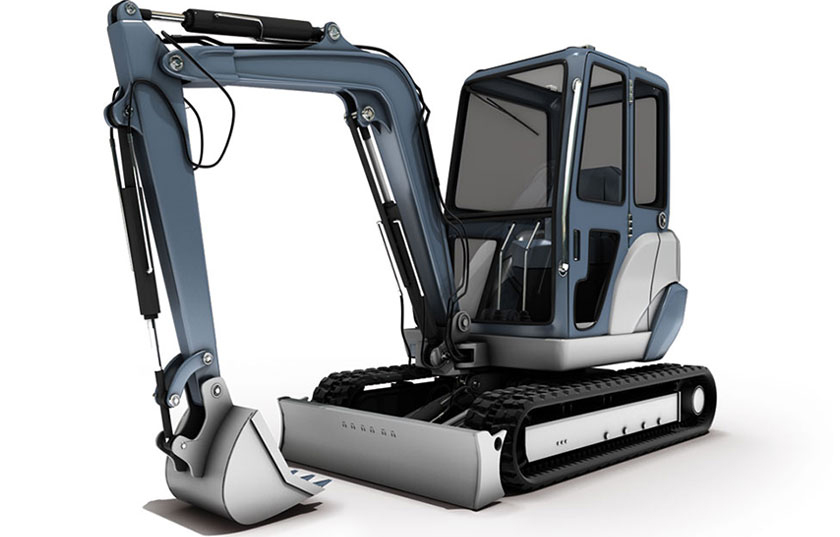
Mini excavator rubber tracks are one of the most critical wear components on compact equipment. They affect how the machine interacts with the ground, how stable it feels under load, how much damage it causes to finished surfaces, and how much stress is transferred into the undercarriage. Choosing the correct rubber tracks and maintaining them properly can significantly reduce downtime, improve productivity, and extend the service life of the entire track system.
For contractors, landscapers, utility crews, and municipalities working in Canada, mini excavator rubber tracks are often the preferred choice over steel tracks. They provide better surface protection, quieter operation, and more versatility across mixed terrain. This mini excavator rubber tracks guide explains how rubber tracks function, when they are the right solution, how to size and tension them correctly, and how to avoid the common mistakes that lead to premature failure.
At TAG Equipment, we support Ontario-based contractors and fleets with fitment guidance and Canada-wide shipping. Proper sizing, correct track tension, and healthy undercarriage components all play a direct role in maximizing track life and avoiding unnecessary replacement costs.
You can review our available mini excavator rubber tracks options or speak with our team to confirm specifications before ordering.
6 Top Benefits of Mini Excavator Rubber Tracks
Rubber tracks are widely used on mini excavators because they deliver a balanced combination of performance, surface protection, and cost control.
Reduced Surface Damage
Rubber tracks distribute machine weight across a larger contact area, which lowers ground pressure. This makes them well-suited for lawns, finished landscaping, sidewalks, interlock, asphalt, and concrete. Steel tracks can crack or scar these surfaces, while rubber tracks help operators meet surface protection requirements on residential and municipal jobs.
Lower Operating Noise
Rubber absorbs vibration and impact far more effectively than steel. This reduces overall machine noise and makes rubber tracks ideal for residential areas, downtown work, utilities, and projects with noise restrictions.
Smoother Travel and Improved Control
High-quality rubber tracks reduce vibration transmitted through the machine. This allows steadier travel speeds, smoother starts and stops, and more precise control when grading, trenching, or positioning the bucket.
Improved Operator Comfort
Decreased vibration and shock transfer directly reduces operator fatigue. Over long shifts, this improves concentration, safety, and consistency of operation.
Lower Lifetime Upkeep When Maintained Correctly
When rubber tracks are properly tensioned and paired with a well-maintained undercarriage, they wear more evenly and predictably. This reduces unexpected failures and helps contractors plan replacements rather than react to breakdowns.
Lower Upfront Cost Compared to Steel Tracks
Rubber tracks generally cost less initially than steel tracks and meet the needs of most mixed-surface applications. For many operators, they offer the best balance between performance and investment.
Durable Rubber vs. Steel Tracks and Where Each Makes Sense
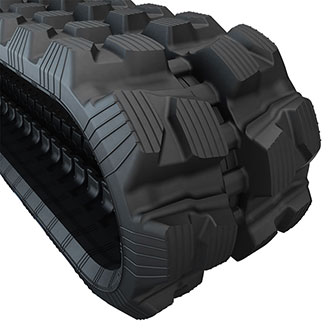
Rubber and steel tracks are designed for very different operating environments.
Steel tracks are best suited for demolition, quarry work, recycling yards, and environments with sharp rock, scrap metal, or constant abrasion. They offer maximum resistance to cutting and impact but generate high noise levels and cause significant damage to finished surfaces.
Rubber tracks are better suited for residential construction, landscaping, utilities, streetscapes, and mixed job sites. They protect finished surfaces, reduce noise, and apply lower ground pressure. This helps minimize rutting, soil displacement, and surface repair costs.
Choosing between rubber and steel tracks should be based on the primary surface conditions your machine operates on most often, not just machine size. Contractors who work across varied environments should confirm suitability by contacting us before selecting tracks.
High Quality Rubber Track Tread Patterns and the Right Job-Site Match
Tread pattern selection plays a major role in traction, ride quality, and how evenly a track wears over time.
Standard Block Tread
This is the most common tread style for mini excavators. It performs well on gravel, asphalt, and compacted soil. It offers balanced traction and smooth operation, making it a strong choice for general construction.
C-Lug Tread
C-lug tread features cut-outs in each lug that improve traction and reduce vibration. It is well-suited for mixed terrain such as dirt, clay, sand, and light mud, where a smoother ride and grip are both required.
Straight Bar Tread
Straight bar tread is designed for maximum forward traction in muddy or wet conditions. It is often used for trenching, utility work, and soft ground where slipping can slow production.
Multi-Bar Tread
Multi-bar tread provides versatility across changing surfaces, including compacted soil, gravel, and snow. It is commonly selected by contractors who operate year-round in varying conditions.
Selecting the correct tread pattern for your dominant surface conditions helps reduce lug chunking, vibration, and uneven wear.
Fitment and Sizing Basics for Mini Excavator Rubber Tracks
Correct sizing is one of the most important factors in rubber track performance and longevity.
Mini excavator track size is defined by width × pitch × number of links. This specification must match the undercarriage geometry exactly. Even small deviations can cause tracking issues and accelerated wear.
Key fitment checks include:
- Reading the size stamped on the existing track sidewall
- Verifying sprocket tooth profile and guide configuration
- Confirming the machine make, model, and serial number
Relying on model name alone is not enough, as pitch and link counts can vary within the same model series. Always verify size before ordering your mini excavator rubber tracks by contacting us.
Correct Track Tension: Measurement and Recheck Cadence
Track tension has a direct impact on wear, stability, and safety.
For most 1 to 5-tonne mini excavators, track sag is measured between the bottom rollers. Exact specifications vary by manufacturer and model.
Track tension should be checked:
- Immediately after new track installation
- Every 40 to 50 operating hours
- After working in mud, sand, snow, or abrasive material
Tracks that are too tight accelerate wear on rollers, idlers, and sprockets. Tracks that are too loose increase the risk of de-tracking and internal carcass damage. Following proper tension guidelines helps balance traction, wear, and undercarriage health.
Undercarriage Care: Sprockets, Rollers, and Idlers
The undercarriage works as a system with the rubber tracks. Worn components directly shorten track life.
When replacing tracks, inspect:
- Sprockets for hooked or uneven teeth
- Rollers for leaks, flat spots, or seized bearings
- Idlers for alignment issues and seal condition
Installing new tracks on worn components often leads to rapid, uneven wear. Addressing wear components at the same time as track replacement helps maintain proper pitch engagement and even load distribution. Supporting wear components are available through TAG Equipment as part of track replacement planning.
When to Replace Your Tracks: 8 Signs You Should Not Ignore
Mini excavator rubber tracks should be replaced when any of the following conditions are present:
- Chunking or missing lugs
- Exposed steel cords
- Cracked or deteriorating guide rails
- Stretched links that will not hold tension
- Repeated or frequent de-tracking
- Torn, gouged, or separated carcass
- Severely worn tread depth
- Machine instability caused by uneven wear
Operating with damaged tracks increases downtime risk and often results in costly undercarriage damage.
Cheap Tracks vs. Quality Tracks: What the Price Hides
Lower-priced rubber tracks often reduce costs by compromising rubber compound quality, steel cord density, or bonding methods.
These shortcuts can lead to:
- Shorter service life
- Increased wear on sprockets and rollers
- More frequent replacements
- Higher labour and downtime costs
Higher-quality tracks are designed to meet OEM specifications and provide more predictable wear. Matching track quality to application requirements helps reduce the total cost of ownership. Fitment guidance is available by contacting us.
Brand and Model Compatibility
TAG Equipment supports rubber track fitment across a wide range of compact equipment makes and models commonly used in Canada. Confirming the model year and serial number is important, as pitch and link count can change within the same model range.
Ontario Stock and Canada-Wide Shipping
TAG Equipment maintains Ontario-based inventory with local pickup options and fast Canada-wide shipping. Confirming size and application details before dispatch helps avoid delays, returns, and installation issues.
Browse our available mini excavator rubber tracks or reach out to our team for assistance.
Get Pricing and Confirm Fitment
If you need pricing or help selecting the correct mini excavator rubber tracks, a quick fitment check ensures the right match. Have your machine make, model, serial number, and existing track size available.
Contact our team, and we will help confirm specifications before ordering.