When it comes to versatile, compact machinery, few tools match the capabilities of a skid steer loader. But what exactly is a skid steer loader, and how do you choose the right one? In this guide, we’ll cover the types of skid steers, their key features, popular use cases, and how they can boost efficiency across industries like construction, landscaping, and agriculture.
Looking for attachments or parts for your machine in Ontario? Explore our inventory or contact us for a quote.
What Is a Skid Steer Loader?
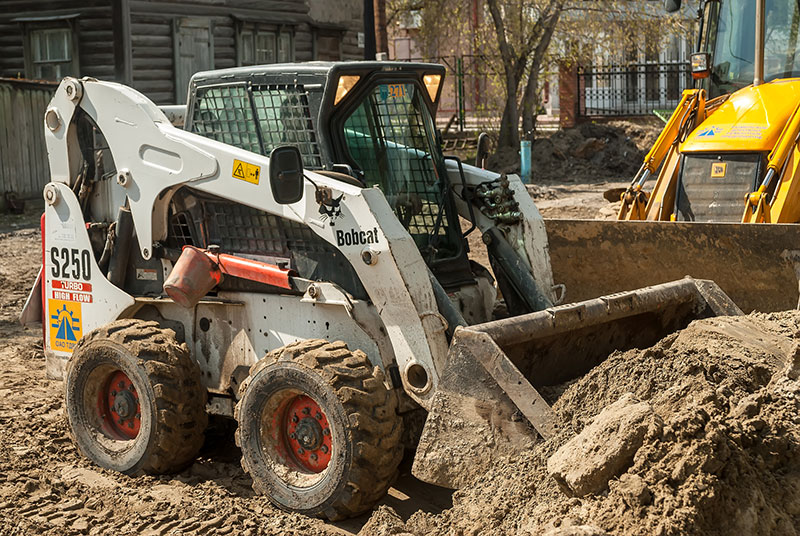
A skid steer loader is a compact, engine-powered machine with lift arms mounted beside a rigid cab. Unlike traditional vehicles, it turns by skidding—slowing one set of wheels while speeding up the other. This design allows for unmatched maneuverability, especially in confined or urban workspaces.
Some models replace wheels with tracks, transforming them into compact track loaders (CTLs) or multi-terrain loaders. These tracked versions offer improved traction on soft or uneven terrain, making them ideal for year-round operation in environments like snow or mud.
Why Is It Called a Skid Steer?
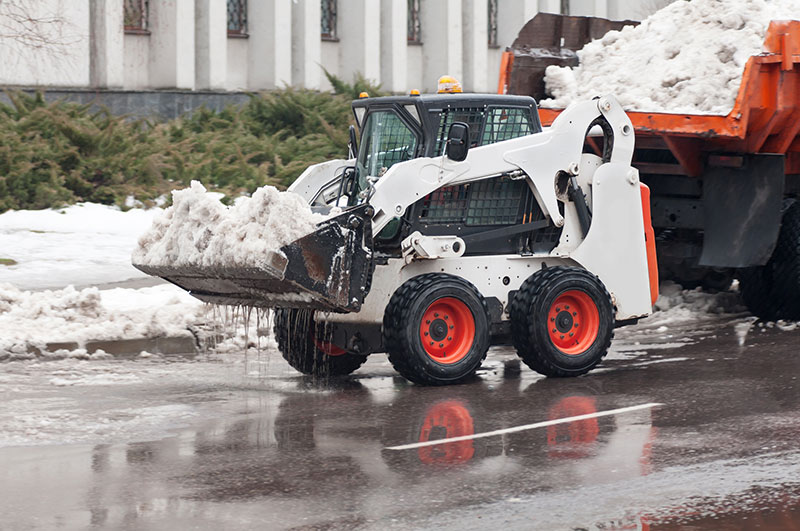
The name “skid steer” refers to the machine’s unique turning method. Rather than pivoting with a steering wheel, a skid steer turns by skidding its fixed-alignment wheels or tracks at different speeds. This allows for a zero-turn radius—perfect for precision work in tight areas.
Top Benefits of Skid Steer Loaders
Whether you’re working in construction, agriculture, or snow removal, skid steers deliver excellent performance thanks to:
- Compact design: Easily maneuver through gates, alleys, and tight job sites.
- High versatility: One machine can perform dozens of tasks with the right attachments.
- Efficient operation: Get more done with less labour and fewer machines.
- All-season use: Perfect for muddy spring conditions or snowy winters in Ontario.
What Is a Skid Steer Used For?
Skid steers are known for their adaptability. Here are common use cases:
- Landscaping: Grading soil, trenching, moving mulch, or removing tree stumps.
- Construction & Demolition: Site cleanup, debris handling, and material loading.
- Snow Removal: Attach snow blades, pushers, or buckets to clear paths and parking lots.
- Farming: Hauling feed, cleaning barns, or transporting tools.
Need a specific tool for your loader? Browse our construction equipment attachments.
Key Features of Skid Steer Loaders
Different types of skid steers come with various capabilities. Here’s what to look for:
- Lift capacity: Know how much material you’ll be handling.
- Engine power: Affects productivity and attachment performance.
- Attachments: From pallet forks to cold planers and concrete buckets.
- Safety features: Look for enclosed cabs, rollover protection (ROPS), and ergonomic controls for operator safety.
Need replacement parts? Explore our construction equipment track parts.
How to Choose the Right Skid Steer Loader
Here’s what to consider when selecting your loader:
- Job Type: Heavy lifting? Grading? Snow removal? Match the machine to your primary task.
- Terrain: Wheeled models for solid surfaces; tracked loaders for rough or wet ground.
- Attachments: Choose a loader compatible with essential tools for your industry.
- Machine size: Consider entry points and jobsite space.
- Brand support: Opt for machines with strong parts and service availability.
Serving Ontario since 2006, Tag Equipment offers expert support for all major brands. Request a Quote or explore our product line today.
Types of Skid Steer Loaders
There are two main types of skid steers, each suited to different jobsite needs:
Wheeled Skid Steers
- Best for: Hard, flat surfaces like paved areas and compacted soil.
- Benefits: Faster movement and lower initial cost.
Compact Track Loaders (CTLs)
- Best for: Muddy, snowy, or uneven terrain common in rural Ontario.
- Benefits: Better traction, smoother ride, and reduced ground disturbance.
| Type | Advantages | Ideal Use Cases |
|---|---|---|
| Wheeled Skid Steer | Faster on firm terrain, agile turning | Indoor sites, paved surfaces |
| Compact Track Loader | Enhanced traction, low ground pressure | Mud, snow, landscaping, soft soils |
Not sure which to choose? Contact Tag Equipment for expert advice.
Frequently Asked Questions About Skid Steer Loaders
How Wide Is a Skid Steer Loader?
Skid steer loaders typically range from 4 ft. 6 in. (for compact models) to over 6 ft. wide. Make sure the width fits your job site’s access requirements.
What Are the Different Brands of Skid Steers Loaders That Are Available?
Popular brands include:
- Bobcat
- CASE
- Caterpillar
- John Deere
- Kubota
Tag Equipment carries attachments compatible with all major makes.
Are There Different Types of Skid Steer Loaders?
Yes. Wheeled and tracked skid steers offer different benefits depending on the job site conditions. Each can be further customized with the right attachments to handle specific tasks.
Ready to Get More from Your Skid Steer?
With locations throughout the Greater Toronto Area and shipping across Canada, Tag Equipment is your trusted partner for skid steer attachments, track parts, and professional support. Whether you’re upgrading your machine or starting a new project, we’re here to help. Contact us today to get started.